Stories That Spark Holiday Magic
Celebrate the season with heartwarming tales, festive reads, and creative inspiration for every cozy moment.
Celebrate the season with heartwarming tales, festive reads, and creative inspiration for every cozy moment.
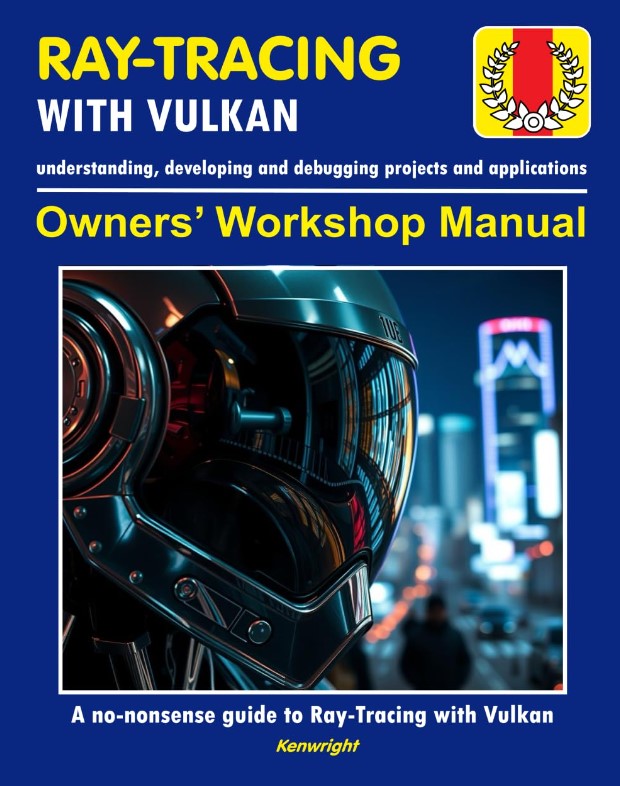
The one book you shouldn't miss today
A thought-provoking exploration of programming and its impact on the digital landscape. This essential read offers fresh perspectives and practical insights that will transform your understanding.
Books Reviewed
Happy Readers
Daily Picks
Expert Reviewers
Explore our curated collection of must-read books
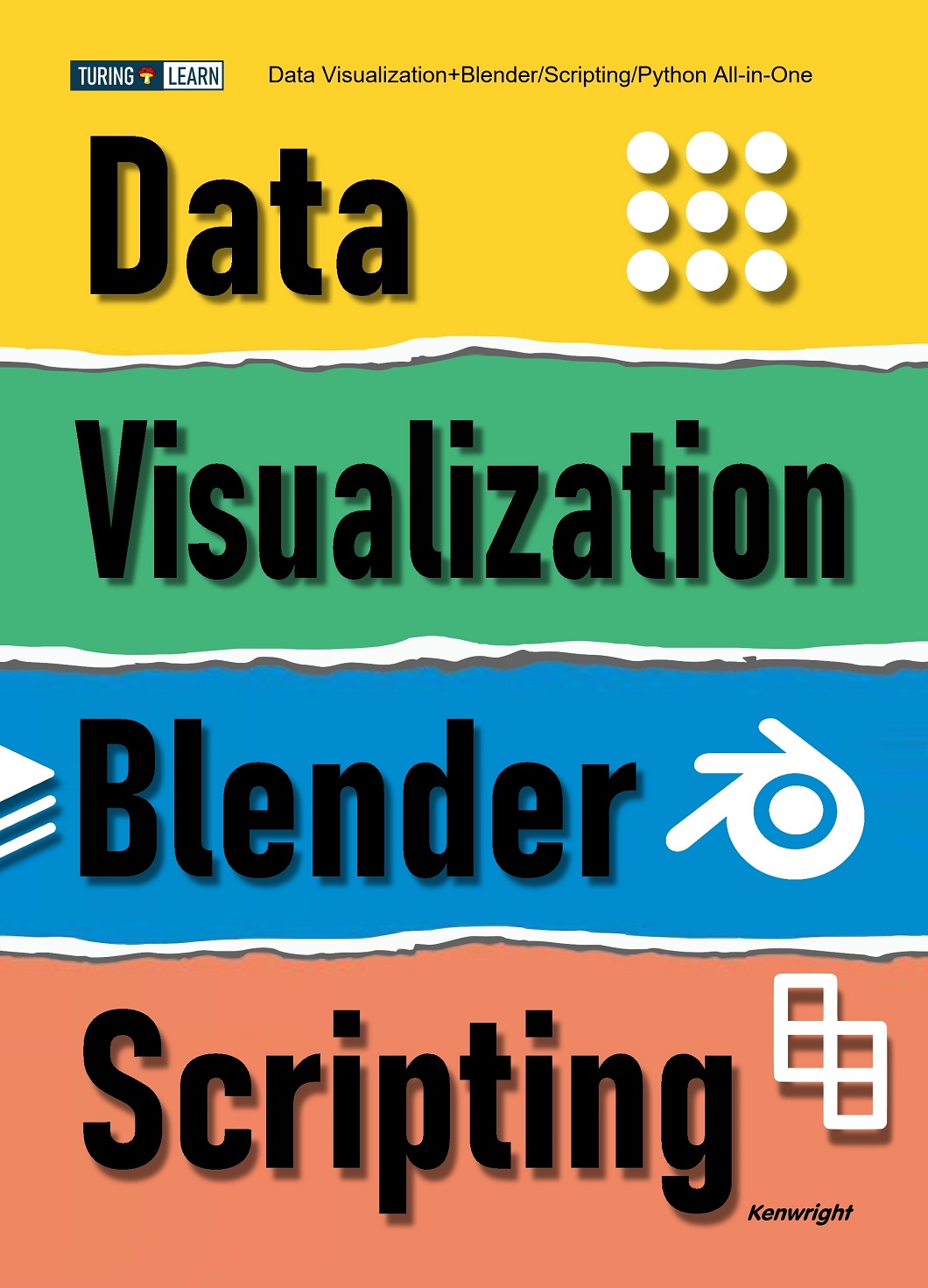
March 15, 2025
A masterful exploration of Data visualization and its impact on the contemporary issues. This essential read offers fres...
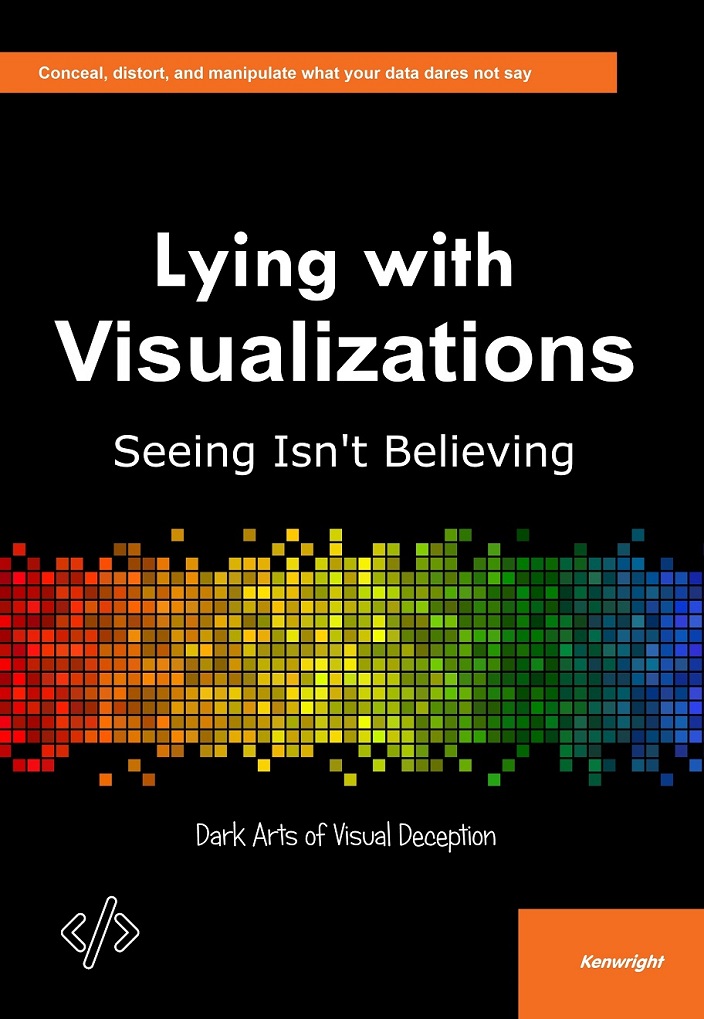
October 10, 2025
A compelling exploration of Data Visualization and its impact on the contemporary issues. This essential read offers fre...
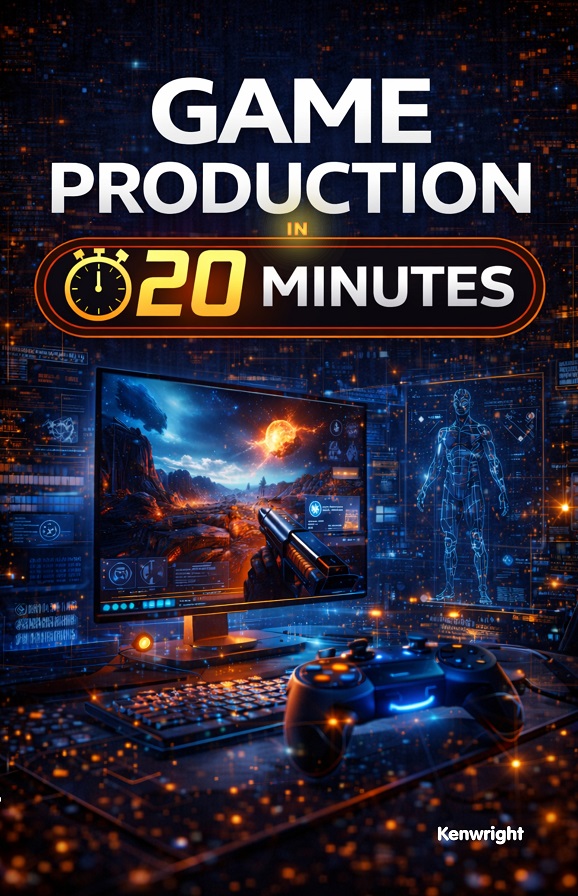
2026
A groundbreaking exploration of Game Production and its impact on the innovative concepts. This essential read offers fr...

December 12, 2024
A captivating exploration of OpenCL and its impact on the contemporary issues. This essential read offers fresh perspect...

June 25, 2025
A masterful exploration of DirectX and its impact on the contemporary issues. This essential read offers fresh perspecti...
November 26, 2024
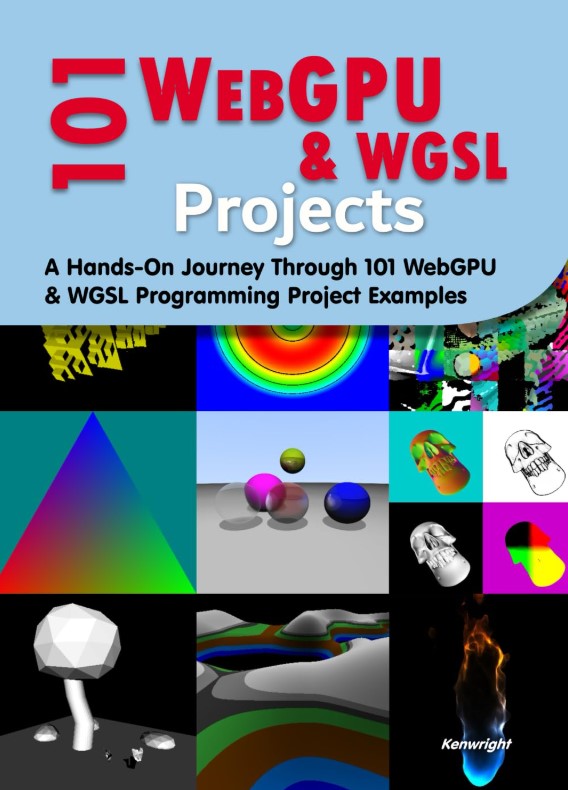
A innovative exploration of webgpu and its impact on the digital landscape. This essential read offers fresh perspective...
Stay updated with the latest from the book world
When a wealthy university donor can silence one of the world’s leading genocide scholars, it exposes the problem with for-profit higher education. &...
Read MoreThe Rumpus—that most enduring of indie online lit mags—is launching a new editorial initiative. El Arboroto is a new vertical catering to Spanish-...
Read MoreDuring the early days of the genocide, I was in the city of Rafah, displaced, sleeping under a roof that I didn’t know would still be there by morni...
Read MoreBecause they can't C#.
Inspiring quotes from great minds
"The more that you read, the more things you will know. The more that you learn, the more places you'll go."
"The only way to do great work is to love what you do."
"The best way to predict the future is to invent it."
Join thousands of readers in our annual reading challenge. Track your progress and discover new books!
 1
1
 2
2
 3
3


Enhance your reading and learning experience
Follow the 20-20-20 rule: every 20 minutes, look at something 20 feet away for 20 seconds.
Organize books by color for visual appeal or by genre for practical access.
Use a pointer or your finger to guide your eyes. This can increase reading speed by 25%.
Create a dedicated reading space with good lighting and minimal distractions.
Take brief notes after each chapter. Summarizing helps cement knowledge.
Use the Feynman Technique: teach what you learn to someone else to identify knowledge gaps.
 Featured Author
Upcoming events and celebrations
days remaining
days remaining
days remaining
days remaining
August 15, 2026
Day 227 of 2026